
Wellness & Coaching
Coaches and wellness practitioners who help with stress, life transitions, and finding balance as your family changes.

Filters
3 Providers
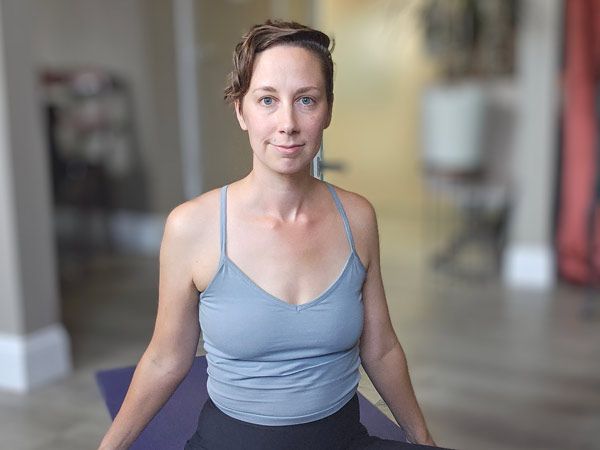
Amy SlocumMovement and energy practitioner, Soul and Body Movement
Somatic movement, Kundalini, and energy medicine yoga to support nervous system regulation and resilience.
View Profile: Amy Slocum
Morgan TotaSpeech-language pathologist, Penfield
Founder of The Wait With You Foundation, supporting families through high-risk pregnancies and NICU stays.
View Profile: Morgan Tota
Kaitlyn VittozziC-IAYT, Penfield
Yoga therapy for embodiment, stress relief, and perinatal struggles, for individuals and couples.
View Profile: Kaitlyn Vittozzi
Not Sure Who to Pick? Tell us what you are looking for and we will help connect you with a mental health provider. The intake is free.
Mental Health MatchingAbout Wellness & Coaching
At Kindred Connection, we believe that mental and physical wellness during the perinatal period is essential for both the individual and their family. Our Wellness & Coaching affiliates are designed to provide comprehensive support, focusing on the mind, body, and emotional well-being of women, birthing persons, and non-birthing partners. Whether you’re planning a family, pregnant, or navigating the postpartum stage, our expert team is here to guide you every step of the way.
Common Questions
What is Wellness Coaching?
Wellness Coaching is a personalized, goal-oriented process that helps you improve your overall well-being during the perinatal period. It focuses on enhancing your physical, mental, and emotional health through tailored guidance on topics like self-care, stress management, nutrition, and postpartum recovery.
How can Wellness Coaching support me during my pregnancy and postpartum?
Wellness Coaching provides you with practical tools and strategies to maintain balance and well-being during pregnancy and after childbirth. This includes personalized support in areas such as healthy eating, exercise, stress reduction, sleep management, emotional health, and navigating the changes that come with new parenthood.
What’s the difference between Wellness Coaching and therapy?
While therapy focuses on processing emotions and healing from past experiences, Wellness Coaching is more action-oriented. Coaches help you set and achieve specific goals related to your well-being, such as creating a self-care routine or improving your physical health during pregnancy and postpartum. Both can complement each other and work together depending on your needs.
What is prenatal and postnatal yoga?
Prenatal yoga is a gentle form of exercise specifically designed for pregnant women, focusing on poses that enhance flexibility, strength, and relaxation while accommodating the changing needs of the body during pregnancy. It also incorporates breathing techniques and mindfulness practices to promote emotional well-being. Postnatal yoga is a gentle, restorative form of yoga designed to support new mothers in healing and regaining strength after childbirth. It focuses on rebuilding core strength, improving posture, relieving physical tension, and promoting emotional well-being during the postpartum period.
What are the benefits of prenatal yoga?
Prenatal yoga offers several physical and emotional benefits, including: • Improved strength and flexibility to support the body during pregnancy and labor. • Relief from common discomforts such as lower back pain, swelling, and fatigue. • Stress reduction through mindful breathing and relaxation techniques. • Enhanced connection with your baby and preparation for childbirth. • Opportunities to meet and share experiences with other expectant mothers.
Is prenatal yoga safe for all trimesters?
Yes, prenatal yoga is generally safe throughout all trimesters. However, it’s important to consult with your healthcare provider before starting any new exercise program, especially if you have any medical concerns or a high-risk pregnancy. Many poses can be modified to suit your body’s needs as pregnancy progresses.
Can prenatal yoga help with labor and delivery?
Yes, prenatal yoga can be a valuable tool for labor and delivery preparation. The breathing techniques practiced in class can help you stay calm and focused during labor, while the gentle stretching and strengthening of muscles may contribute to a smoother delivery experience. Additionally, prenatal yoga helps to improve body awareness, which can be beneficial when positioning during labor.
What is yoga therapy?
Yoga therapy is a holistic approach to health that combines traditional yoga practices with modern therapeutic principles. It is tailored to address specific physical, emotional, and mental health concerns, offering personalized practices that may include yoga postures, breathwork, meditation, and mindfulness. Yoga therapy is designed to promote healing, balance, and overall well-being.
How is yoga therapy different than a regular yoga class?
Unlike regular yoga classes that typically follow a general format for a group, yoga therapy is highly individualized. It’s often conducted in a one-on-one or small group setting, allowing for a customized practice based on your unique needs and goals. The focus in yoga therapy is on addressing specific health issues, whether physical (such as chronic pain) or emotional (such as anxiety or depression), with the guidance of a trained yoga therapist.
What conditions can yoga therapy help with?
Yoga therapy can be beneficial for a wide range of conditions, including: • Chronic pain (back, neck, joints) • Stress, anxiety, and depression • Digestive issues • Insomnia or sleep disturbances • Hypertension (high blood pressure) • Respiratory issues such as asthma • Musculoskeletal imbalances • Trauma recovery • Fatigue or low energy It’s important to note that yoga therapy is not a replacement for medical care but can complement existing treatments to enhance healing and wellness.
Can yoga therapy help with mental health issues like anxiety or depression?
Yes, yoga therapy can be a helpful tool in managing anxiety, depression, and other mental health concerns. Practices such as deep breathing, mindfulness, and gentle movement help calm the nervous system, reduce stress, and promote emotional regulation. Yoga therapy encourages a mind-body connection, which can enhance emotional resilience and provide relief from symptoms. It is often used as part of a holistic approach to mental health, in combination with traditional therapies such as counseling or medication.
Are You a Perinatal Professional?
Join a collaborative network of Rochester providers. Sliding scale membership, a directory profile, and peer support.